



Posted by: Center For Eye Care Excellence in Eye Care

Most people schedule an eye appointment when something feels wrong, such as blurry vision, a headache after reading, or eyes that burn by the end of the day. Some of the most serious eye conditions, though, cause no pain and no obvious change in vision until they have already done damage. That is the main reason eye doctors ask patients to come in once a year, even when their eyes feel fine.
A yearly visit gives your doctor the chance to find problems while treatment can still protect your sight.
What is a Comprehensive Eye Exam?

A comprehensive eye exam is a complete evaluation of how well you see and how healthy your eyes are. Many people call it a routine eye exam, and the two terms usually describe the same appointment.
Comprehensive eye exams at Center For Eye Care Excellence check the structure of your eyes as well as your prescription.
During a comprehensive exam, your eye doctor typically:
- Measures your visual acuity and refraction to determine whether you need glasses or contacts, or whether your current prescription still suits your eyes.
- Checks the pressure inside your eyes, which helps screen for glaucoma.
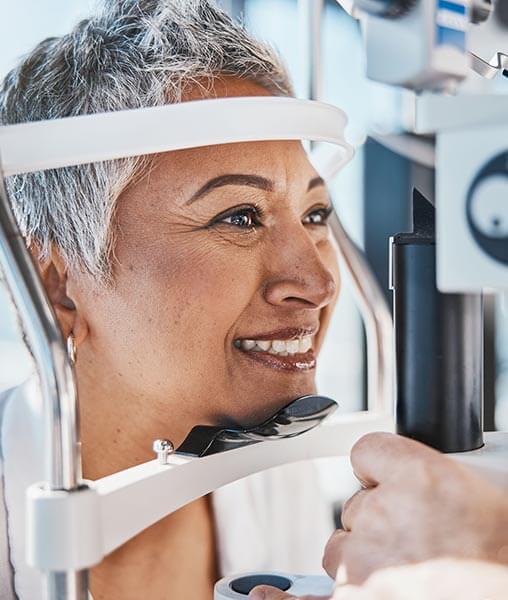
- Uses a slit lamp microscope to examine the cornea, iris, lens, and eyelids for signs of cataracts, corneal ulcers, and other conditions.
- Dilates your pupils and uses an ophthalmoscope to view the retina, optic nerve, and blood vessels at the back of the eye.
- Tests eye movement, depth perception, and how well your eyes work together.
A basic vision screening is different. Screenings at school, at a pediatrician’s office, or at the DMV mainly check whether you can read letters at a certain distance. They rarely include dilation, and they do not look closely at the internal health of the eye. A person can pass a screening with 20/20 vision and still have early glaucoma or retinal changes that only a dilated exam would reveal.
Reasons Why Annual Eye Exams Are Important
Healthy eyes can change a lot in twelve months, and many of those changes happen without any warning signs.
Here are the main reasons eye doctors recommend coming in every year.
Many Eye Diseases Start Silently

Glaucoma is the classic example. It gradually damages the optic nerve, usually starting in peripheral vision, and most people don’t notice the loss until the disease is advanced. Vision lost to glaucoma cannot be restored, so catching elevated eye pressure or early nerve changes gives your doctor the best chance to slow the disease with drops, laser treatment, or surgery.
Other conditions follow a similar quiet pattern:
- Macular degeneration can begin with small deposits under the retina long before central vision blurs.
- Diabetic retinopathy may cause tiny leaking blood vessels without any symptoms at first.
- Cataracts develop slowly enough that many people adjust to dimmer, yellower vision without realizing how much they have lost.
Each of these conditions is easier to treat when found early, and a dilated exam can reveal them long before you would notice anything wrong on your own.
Your Eyes Change More Than You Think in a Year
Prescriptions shift over time, especially in children, teens, and adults over 40, when presbyopia makes up-close focus harder. Wearing an outdated prescription can lead to headaches, eye strain, and squinting that people often blame on stress or screens.
A Yearly Baseline Helps Doctors Spot Subtle Changes
Each exam creates a record of your eye pressure, optic nerve appearance, retinal health, and corneal measurements. When your doctor compares this year’s findings to last year’s, small changes stand out. A slight rise in pressure or a minor change in the optic nerve might mean little on its own, but a trend across several visits can signal that closer monitoring or treatment is needed.
Eye Exams Can Reveal Clues About Your Overall Health
The retina gives doctors a direct view of blood vessels and nerve tissue without surgery or imaging.
Changes in those vessels can point to diabetes or high blood pressure, sometimes before a person has been diagnosed. Inflammation inside the eye may also be linked to autoimmune conditions.
When your eye doctor sees these signs, they can recommend a follow-up with your primary care physician.
Who Benefits Most From Yearly Visits

Everyone gains something from an annual exam, but certain groups have more reason to keep the appointment on the calendar.
- Adults Over 40: Around age 40, early signs of disease and vision changes become more common. Also, risk for cataracts, glaucoma, and macular degeneration keeps climbing with age.
- Contact Lens Wearers: Lenses sit directly on the cornea, which raises the risk of infections like keratitis. An annual exam confirms that your lenses still fit well and that your corneas are healthy, and it can uncover dry eye syndrome, a common reason lenses become uncomfortable.
- Children and Teens: A school screening checks sharpness, but a full exam can find conditions like amblyopia that could affect a child’s vision for life if left untreated. Kids rarely complain about vision problems because they assume everyone sees the way they do.
- People with Diabetes: Many doctors recommend regular dilated eye exams, typically once a year, for those with diabetes to watch for diabetic retinopathy.
- Those With a Family History of Eye Disease: Glaucoma, macular degeneration, and some cornea diseases run in families. Inherited corneal conditions cannot be prevented, but regular monitoring helps preserve vision.
Know When Not to Wait Between Eye Exams
An annual schedule covers routine care, but some symptoms need attention right away.
Sudden eye pain, a sudden increase in floaters, flashes of light, a curtain over part of your vision, or sudden blurry vision can signal a retinal tear, an infection, or another urgent problem. Persistent redness with light sensitivity or discharge can point to a corneal issue that needs immediate care.
If you experience any of these symptoms, call your eye doctor promptly rather than waiting for your next scheduled visit.
Comprehensive Eye Care at Center For Eye Care Excellence
At Center For Eye Care Excellence, a comprehensive eye exam is often the first step toward specialized care. Our experienced ophthalmologists and optometrists evaluate your overall eye health and, when needed, provide advanced treatment for cataracts, corneal disease, and dry eye in the same office. A yearly visit keeps your records current and helps the team protect your vision over the long term.
When was your last comprehensive eye exam? Schedule an appointment at Center For Eye Care Excellence in Slingerlands, NY.

